Winter school holidays, Christmas, a long summer break – these are times when a house stands empty for many days. Good protection of your home against burglary does not require big investments just before you leave, but it does require checking a few things and preparing consciously. We have put together a practical checklist worth going through a few days before you go. Some points will take five minutes; others are worth planning earlier.
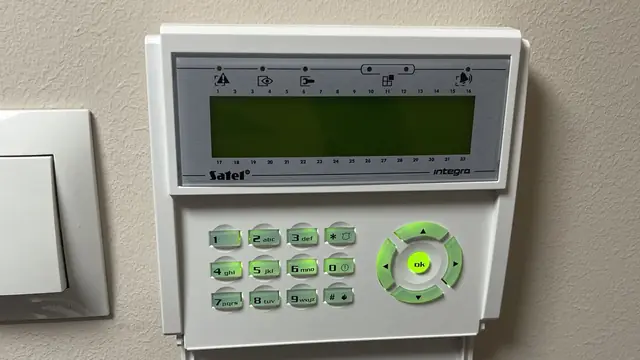
1. Check your alarm system
An alarm that does not work, or whose signal nobody responds to, gives only a false sense of security. Before you leave:
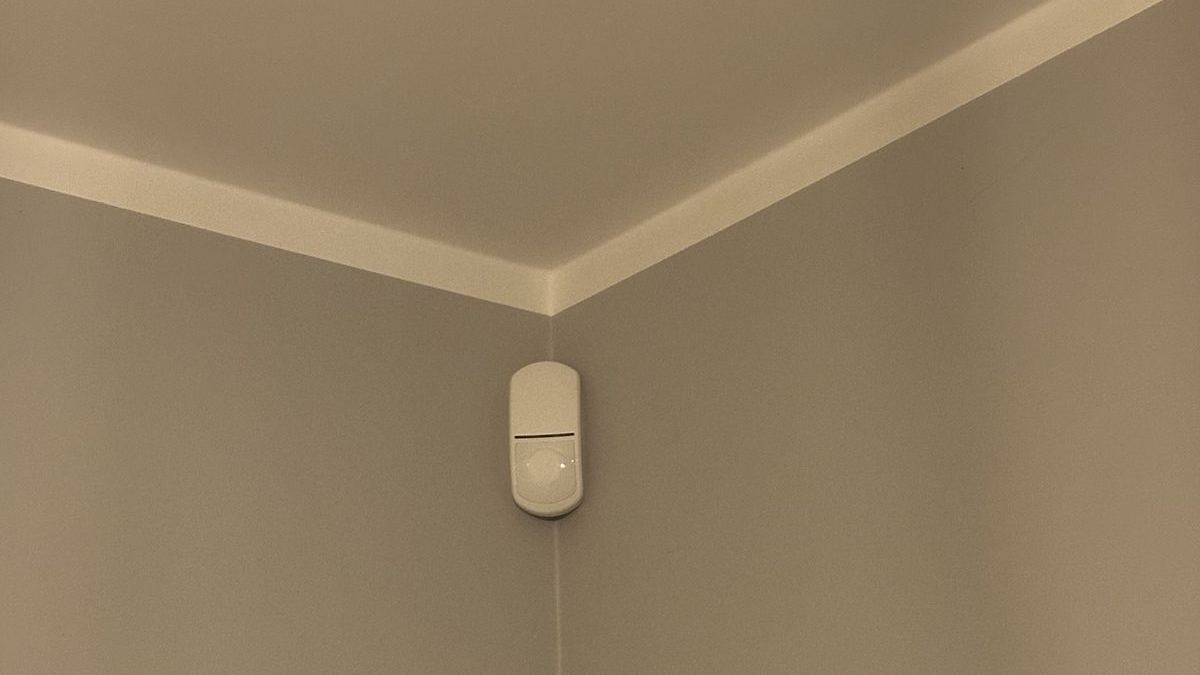
- Test the system – arm it and check that all detectors report correctly. Walk through the rooms and watch the LEDs or the view in the app.
- Check the batteries in wireless detectors, remote controls and the siren. If the control panel reports a low level, replace them now, not while you are away.
- The control panel’s backup battery – loses capacity after a few years. During a power cut an old battery may not keep the system running long enough.
- Notifications – make sure the app sends push notifications and that the SIM card in the GSM/LTE module is active and topped up.
- Contact list – update the phone numbers and add a trusted neighbour or family member.
If the alarm has not been serviced for a long time, it is worth booking an inspection. You can read more about our services on our alarm systems page.
2. Outdoor detectors and perimeter protection
It is best to detect an intruder before they reach a door or window. Outdoor detectors mounted on the facade or in the garden respond to movement around the house. Combined with lighting and a siren, they can effectively deter a burglar while they are still scouting the property.
In winter, check that snow, branches or new decorations are not blocking the detectors and causing false alarms. Well-chosen outdoor detectors have features that limit their response to small animals and changes in the weather, but even they need to be set up correctly.
3. CCTV – cameras that really help
Cameras play two roles: they deter and they provide information. Before you go, check:
- Whether remote viewing works – open the app outside your home network, e.g. on mobile data.
- Whether the recorder is recording – check that there are current recordings on the drive and that the drive is not reporting errors.
- Detection and notifications – Dahua and Hikvision cameras with analytics that recognise people and vehicles can send notifications only about relevant events, not about every movement of the trees.
- Clean lenses and nothing obstructing the frame – cobwebs and frost can ruin the night-time picture.
- Backup power – a UPS for the recorder and router means a short power cut will not stop the recording.
If you are planning an expansion or upgrade, take a look at our CCTV monitoring page.
4. Lighting and presence simulation
A dark house for several evenings in a row is a clear signal that nobody is home. It is worth preventing this:
- Outdoor lighting with a motion sensor by the entrance, garage and terrace.
- Timers or smart plugs that switch on lamps in the living room in the evening at different times.
- Blinds – if they are automated, set a schedule to raise them in the morning and lower them in the evening, rather than leaving them closed for the whole trip.
- Alarm scenarios – triggering an outdoor detector can switch on all the lights on the property.
5. Smart routines and remote control
If you have a smart home system or an alarm with control outputs, prepare an “away” mode. It can include arming all zones, lowering the heating to a level that protects the system from freezing, switching off unnecessary appliances and turning on presence simulation. It is also a good idea to add a flood sensor in the boiler room and bathroom, as well as a temperature sensor – in winter a heating failure can cause more damage than a burglar.
Remember that all these functions depend on a stable internet connection. Check the router, the Wi-Fi coverage where the devices are, and any backup communication path via the mobile network.
6. Mechanical security
Electronics detect and raise the alarm, but it is locks and windows that slow a burglar down. Every minute they have to spend getting past an obstacle increases the chance that they will give up or be caught.
- Check that all windows, roof windows and patio doors are closed and the handles are in the locked position.
- Consider anti-burglary fittings and lockable handles on ground-floor windows.
- The front door should have a certified lock cylinder with a higher resistance class.
- Lock the garage, side gate and main gate. Do not leave the gate remote in a car parked in front of the house.
- Put away ladders and tools that could make it easier to reach the upper floor or force a window.
7. Neighbours and discretion
Even the best system is no substitute for a friendly neighbour. Ask someone you trust to:
- collect the post and leaflets from the letterbox,
- clear the snow from the entrance now and then or leave footprints in the snow in front of the house,
- park their car on your driveway,
- have your phone number and know how to respond to the alarm.
At the same time, be discreet online. Holiday photos are better posted after you get back, and it is best not to announce your departure date on social media. Also switch off email auto-replies that give the exact dates of your absence to people outside your company.
It is also worth thinking about what happens if the alarm goes off while you are away. Who will go and check the house? Does that person have keys and know the disarm code? If you are travelling far, consider temporarily connecting the system to a security company that will send a patrol to respond. Agree these arrangements before you leave, not when your phone starts ringing in the middle of the night.
8. The last few minutes before you leave
- Close all windows and doors and check the handles.
- Put away valuables, documents and spare keys – do not leave them in obvious places.
- Switch on away mode in your automation and set the heating.
- Arm the alarm and check in the app that the system has confirmed arming.
- Open the camera view on your phone once you are outside your home network.
Summary
Effective home protection has several layers: mechanical security, an alarm with outdoor detectors, CCTV, lighting and people keeping an eye on the property. None of them is perfect on its own, but together they create a system that deters burglars and gives you peace of mind while you are away. It is worth going through this checklist not only before the winter holidays but before every longer trip.
If you want to check or upgrade your security before you go away, CSAFE can help – we operate in Bielsko-Biała and the surrounding area, including Żywiec, Kęty, Andrychów, Skoczów, Czechowice-Dziedzice, Pszczyna, Cieszyn and Oświęcim. Quotes are free. Call 505 298 048 or use the contact form.
Frequently asked questions
What should I check on my alarm before a longer trip?
Test all the detectors, check the batteries and the control panel’s backup battery, make sure the SIM card in the GSM/LTE module is active and that notifications reach your phone.
Are outdoor detectors worth installing?
Yes, outdoor detectors detect an intruder before they reach a door or window. Combined with lighting and a siren, they effectively discourage further attempts.
How can I simulate someone being at home while I am away?
Timers or smart plugs that switch the lights on at different times, a schedule for the blinds and the help of a neighbour who collects the post and parks on your driveway are all you need.